DME Superstore Review: Mobility, Homecare & Medical Equipment Guide
DME Superstore Review: Mobility, Homecare, and Medical Equipment Guide
Finding dependable medical equipment for yourself or a family member can be very different from ordinary online shopping. The right product needs to fit the user's needs, the available space, the intended environment, and sometimes the assistance provided by a caregiver. DME Superstore approaches this challenge by bringing a broad selection of durable medical equipment, mobility products, homecare equipment, bathroom safety aids, and healthcare supplies together in one online store. The retailer's current assortment covers everything from mobility scooters, powerchairs, wheelchairs, walkers, and rollators to homecare beds, patient lifts, bathroom equipment, transfer aids, and everyday medical supplies. That broad selection makes DME Superstore interesting for people who are looking beyond a single medical product. Whether the goal is improving mobility around the house, making a bathroom easier to use, supporting a caregiver, or creating a more accessible living environment, the website provides a range of categories to explore. This review looks at what DME Superstore offers, the major product categories, who the retailer may be suitable for, and the important things shoppers should consider before choosing medical equipment online.
What Is DME Superstore?
DME Superstore is an online retailer specializing in durable medical equipment and healthcare products. According to the company's official information, its mission is to provide medical supplies intended to support health, mobility, independence, and quality of life. The company says it works with established medical-supply brands and inspects products before shipping. Its catalog is much broader than a typical medical-supply store. Customers can browse mobility equipment, homecare products, bathroom and shower aids, patient-care supplies, bedroom equipment, living-room products, transfer aids, and other categories. This makes the store particularly relevant when several types of equipment may be needed for the same household.
A Store Focused on Everyday Independence
One of the most useful ways to understand DME Superstore is through the idea of independence. Medical equipment is not always about treating a particular condition. In many situations, the purpose is simply to make everyday activities easier and more manageable. A walker can provide additional support while moving around the home. A rollator can combine walking assistance with a built-in seat. A bathroom aid can make bathing or transferring easier. An adjustable bed can provide more flexibility for resting and positioning. These products can become part of a person's everyday environment rather than being used only occasionally.
Mobility Equipment at DME Superstore
Mobility is one of the largest categories on the website. The current mobility collection includes mobility scooters, powerchairs, wheelchairs, transport chairs, rollators, walkers, canes, crutches, knee walkers, mobility ramps, and carbon-fiber mobility aids. The range is useful because mobility needs can vary considerably. Someone who needs occasional support while walking may have very different requirements from someone who needs powered mobility for longer distances. Instead of treating all mobility products as interchangeable, it is important to consider where and how the equipment will actually be used.
Mobility Scooters
Mobility scooters can be useful for people who need powered assistance for getting around. DME Superstore's selection includes both three-wheel and four-wheel scooters, along with travel-oriented and other mobility models. Three-wheel and four-wheel designs can have different handling characteristics, so choosing between them should depend on the user's environment and mobility requirements. For indoor use, turning ability may be particularly important. For outdoor use, shoppers may need to pay closer attention to factors such as ground clearance, range, seating, portability, and overall stability.
Travel Mobility Scooters
Travel scooters are designed with portability and transportation in mind. The current DME Superstore catalog includes compact mobility products as well as traveloriented scooters. For frequent travelers, weight and folding or disassembly requirements can be just as important as performance. Before choosing a travel scooter, it is worth considering:
How easily it can be transported
Available storage space
Battery requirements
Intended travel environment
Weight of individual components
Turning space
Seat comfort
Manufacturer specifications
The smallest scooter is not automatically the best choice. It needs to be practical for the user's actual routine.
Powerchairs
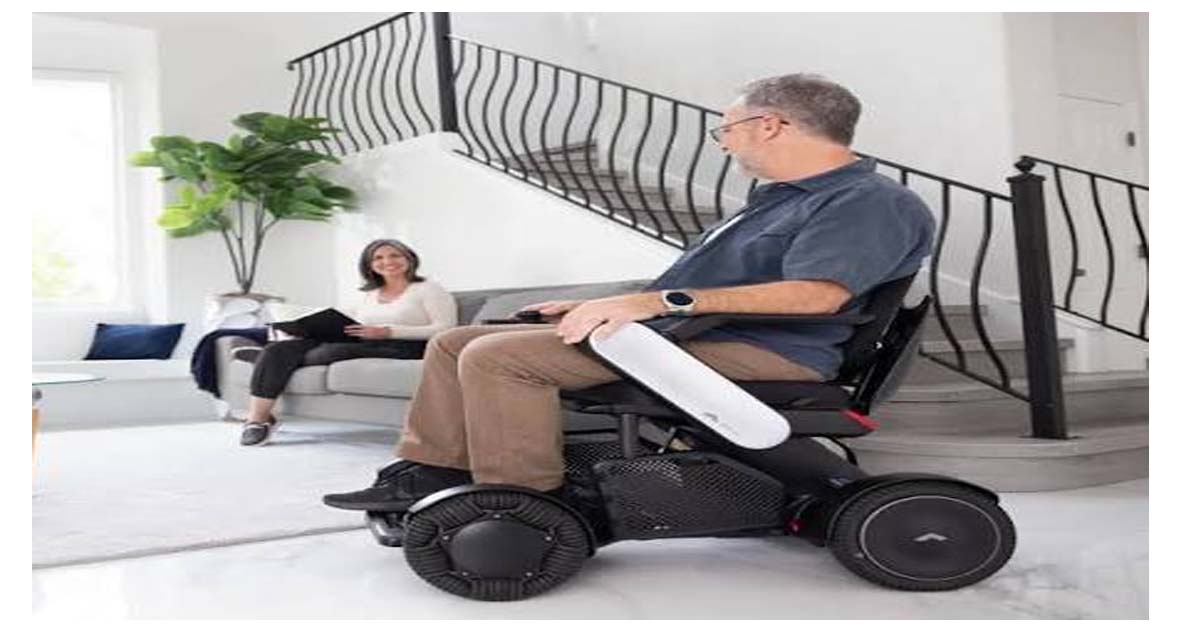
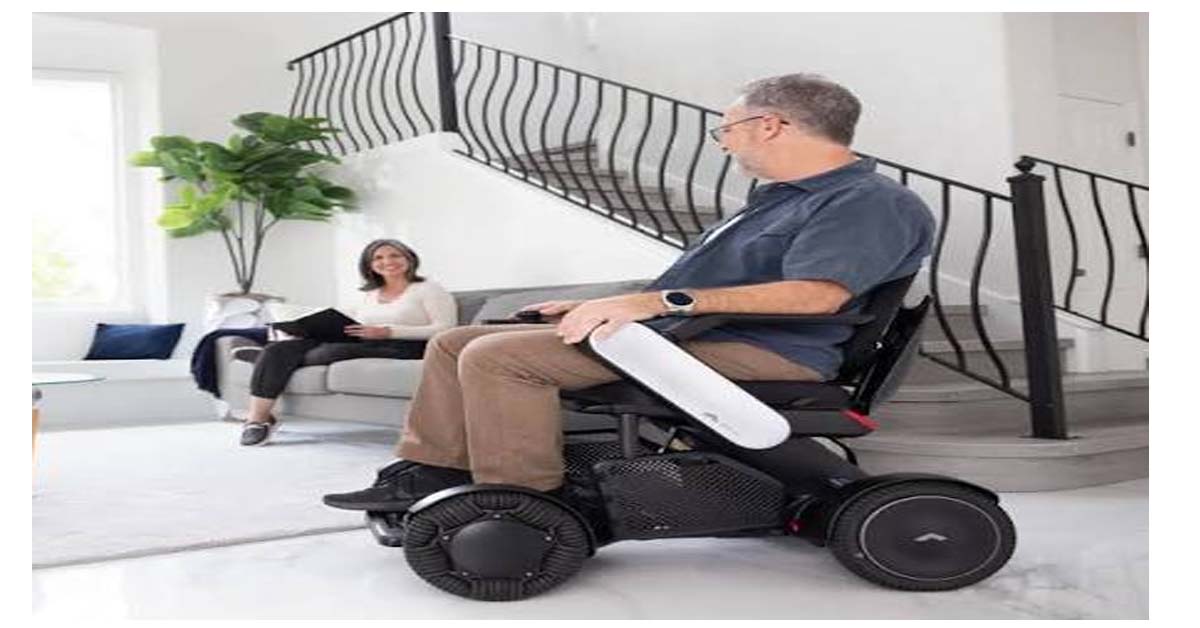
Powerchairs provide another option for powered mobility. DME Superstore currently carries electric wheelchairs and power mobility products from multiple manufacturers. Powerchairs can differ considerably in their dimensions, seating systems, controls, turning radius, weight, and intended environment. For home use, doorway and hallway measurements are particularly important. A product that works well in an open outdoor environment may not be suitable for a house with narrow doorways or tight corners.
Manual Wheelchairs
For users who need a manually operated mobility solution, DME Superstore offers different wheelchair categories, including reclining and lightweight options. When choosing a wheelchair, shoppers should consider whether it will primarily be selfpropelled, caregiver-propelled, used indoors, transported frequently, or used for longer periods. Seat dimensions and overall weight can make a major difference in everyday usability.
Rollators and Rolling Walkers
Rollators are particularly useful because they can combine walking support with additional features such as seating and storage. DME Superstore offers multiple rollator categories, including three-wheel, all-terrain, bariatric, upright, lightweight, and hybrid rollator transport chairs. This variety allows shoppers to focus on the actual environment and level of support required. For example, a lightweight rollator may be more convenient for transportation, while an allterrain model may make more sense for outdoor environments.
Walkers and Canes
Not everyone needs a powered mobility device. For some users, a cane or walker may provide the appropriate level of assistance. DME Superstore offers several types of canes and walkers, including folding canes, quad canes, bariatric options, knee walkers, walkers with seats, and other designs. The key is selecting equipment according to the user's mobility needs rather than choosing the most feature-heavy option.
Mobility Ramps
Accessibility does not stop at the mobility device itself. A wheelchair, powerchair, or scooter can be difficult to use if there are steps or raised thresholds along the route. DME Superstore carries portable mobility ramps and entry ramps or threshold mats designed for accessibility needs. When choosing a ramp, shoppers need to pay close attention to the height of the obstacle, available space, ramp length, weight capacity, surface, and intended equipment. Correct measurements are essential.
Bathroom and Shower Safety
Bathrooms can present unique accessibility challenges. DME Superstore offers bathroom and shower aids designed to provide additional support during bathing and other routines. Its categories include shower equipment and other bathroom-safety products. Depending on the user's needs, equipment may include shower chairs, transfer benches, grab bars, raised toilet seats, and other accessibility products. The goal is not simply to add equipment to a bathroom. The goal is to choose products that fit the user's movement patterns and the actual layout of the room.
Shower Chairs
A shower chair can provide seated support during bathing. For users who find standing for long periods difficult, a properly selected shower chair may make the routine more manageable. However, shoppers should pay attention to:
Seat width
Seat height
Weight capacity
Back support
Armrests
Footprint
Bathroom dimensions
Drainage
Adjustability
A chair that is too large for the available shower space can create a different problem, so measuring the bathroom first is essential.
Transfer Benches
Transfer benches can be useful when getting into and out of a bathtub presents a challenge. DME Superstore has expanded its bathroom-safety selection through partnerships with brands offering transfer solutions. Its ShowerGlyde partnership, for example, includes sliding transfer benches designed around bathtub access and transfers. The right transfer product depends on the bathroom layout and the user's transfer ability. Professional advice may be appropriate when the equipment is being used for someone with significant mobility limitations.
Homecare Beds
DME Superstore also offers homecare beds and adjustable bed systems. The current selection includes electric homecare beds and other specialized sleeping solutions. These products can be relevant for homecare environments where standard beds do not provide enough positioning flexibility. Depending on the model, features may include adjustable positioning, height changes, or other functionality designed for homecare use. When considering a homecare bed, shoppers should think beyond the mattress itself. The available room, surrounding furniture, caregiver access, electrical requirements, and mattress compatibility can all matter.
Adjustable Beds
Adjustable beds can provide more flexibility than traditional flat sleeping surfaces. They may allow different sections of the bed to be raised or lowered depending on the design. For someone setting up a homecare space, the ability to adjust the bed can influence both comfort and accessibility. The exact functionality varies by model, so product specifications should be reviewed carefully before purchase.
Patient Lifts and Transfer Equipment
DME Superstore also carries patient lifts and transfer equipment. These products are intended for situations where moving a person between locations requires more assistance than a walker, wheelchair, or transfer bench can provide. Patient lifts are specialized equipment, so choosing one should involve careful consideration of the user's needs, caregiver requirements, weight capacity, sling compatibility, and available space. This is an area where professional guidance can be especially valuable.
Recliners and Lift Chairs
For people who have difficulty moving from sitting to standing, lift-assist recliners can provide another homecare option. DME Superstore includes recliners with lift assistance among its major categories. These chairs combine the familiar comfort of a recliner with powered assistance intended to help the user transition between sitting and standing. For a living room or bedroom, this type of product can also look more like conventional furniture than some specialized medical equipment.
Bedroom Equipment
Bedroom accessibility is another part of the DME Superstore range. Products can include adjustable beds, bed rails, mattresses, and other equipment designed for homecare environments. A bedroom setup should be considered as a complete space rather than a collection of individual products. For example, the height of a bed can influence transfers, while the placement of a bedside mobility aid can affect how easily someone gets up and moves through the room.
Living Room Equipment
The living room can also benefit from thoughtful accessibility equipment. Lift-assist recliners are one example. Other products may support sitting, transferring, positioning, or general comfort. The best setup depends on the person's routine. If someone spends several hours in the living room each day, the chair's height, support, controls, and ability to assist with standing can become important considerations.
Nursing and Patient-Care Supplies
DME Superstore is not limited to large equipment. Its nursing and patient-care collection includes products such as examination gloves, patient gowns, surgical drapes, and surgical gowns. This makes the retailer relevant to both individual homecare shoppers and people looking for broader healthcare supplies. The ability to browse large equipment and smaller consumable or care-related products in one store can be convenient.
Working With Established Medical Brands
DME Superstore says it partners with trusted and reputable brands in the medical supply industry and selects products based on quality, durability, and effectiveness. Its catalog includes recognizable manufacturers across mobility, homecare, nursing, and other categories. This matters because medical equipment is rarely a category where shoppers should choose purely based on appearance. Manufacturer reputation, specifications, warranty information, replacement parts, and support can all influence the long-term experience.
A Broad Product Selection
The sheer variety of products is one of DME Superstore's most noticeable characteristics. Its collections currently cover mobility scooters, powerchairs, recliners, patient lifts, homecare beds, bathroom and shower aids, rollators, transport chairs, and wheelchairs, among other categories. This can be particularly useful for households where mobility needs extend across multiple rooms. Instead of looking for a wheelchair in one place, a shower chair somewhere else, and a homecare bed from another retailer, shoppers can explore several related categories through the same store.
DME Superstore for Aging in Place
Aging in place often requires more than one product. As mobility needs change, the home may need adjustments in several areas:
Bathroom
Bedroom
Living room
Entryways
Hallways
Outdoor access
DME Superstore's broad product categories make it relevant to this type of planning. A household can evaluate mobility equipment alongside bathroom aids, ramps, bedroom products, and living-room equipment. The goal should always be to create an environment that matches the individual's abilities and daily routine.
Choosing Equipment for the Home
One of the most important lessons when shopping for medical equipment is to measure the environment first. DME Superstore itself emphasizes the importance of considering the user's environment when selecting mobility equipment. Before buying a large product, measure:
Doorways
Hallways
Bathroom entrances
Shower areas
Bedroom space
Turning areas
Storage areas
Outdoor paths
A product can have excellent specifications but still be impractical if it cannot move through the home.
Choosing Equipment for the User
The second major consideration is the person who will use the equipment. Think about:
Height
Weight
Mobility level
Strength
Balance
Dexterity
Frequency of use
Indoor or outdoor use
Need for caregiver assistance
Transportation requirements
These factors can significantly influence the right product. A lightweight walker and a powered wheelchair serve very different purposes. Likewise, a basic shower chair may not be appropriate for someone who needs transfer assistance.
Indoor vs. Outdoor Mobility
Where the equipment will be used should influence the decision. Indoor environments often require compact dimensions and tight turning ability. Outdoor use may place greater importance on ground clearance, wheel design, range, weather considerations, and terrain compatibility. For users who need equipment in both environments, a versatile product may be useful, but versatility can sometimes come with additional size or weight. There is no single mobility product that works equally well for every environment.
Understanding Weight Capacity
Weight capacity is one specification that should never be overlooked. Mobility devices, chairs, beds, transfer equipment, and other products can have different weight limits. Shoppers should compare the manufacturer's stated capacity with the user's requirements and consider clothing, accessories, and other factors where appropriate. If there is uncertainty, consulting a qualified healthcare or mobility professional is preferable to guessing.
Portability and Storage
Large medical equipment can require considerable storage space. Before purchasing a scooter, wheelchair, patient lift, ramp, or adjustable bed, think about where it will be stored when it is not being used. For travel equipment, also consider whether it will fit inside the intended vehicle and whether the user or caregiver can manage the equipment safely. Portability should be evaluated as part of the entire routine rather than as a single product feature.
Customer Support
DME Superstore states that its team includes experienced care representatives and that its customer-service team is available seven days a week. The company says its founders have more than 20 years of medical-industry experience. This type of support can be valuable when shopping for equipment that is more complicated than an ordinary household purchase. A customer may need clarification about dimensions, product compatibility, setup, or intended use. For specialized equipment, having access to product information and support can make the purchasing process easier.
Returns and Warranty Considerations
Medical equipment can be a significant purchase, so return and warranty information should be reviewed before ordering. DME Superstore currently states that it offers a 30-day self-service return policy on most items, while noting that exclusions may apply. The company also says many products include manufacturer warranties, with warranty details provided on individual product pages. Because large medical equipment can have different return conditions from smaller products, shoppers should check the specific product's policy before completing an order.
What Makes DME Superstore Different?
Several characteristics make the retailer worth considering.
Broad Equipment Categories
The website brings mobility, homecare, bathroom safety, patient-care, and daily-living products together.
Mobility-Focused Selection
Mobility is a major part of the catalog, with scooters, wheelchairs, powerchairs, walkers, rollators, canes, ramps, and related equipment.
Homecare Approach
The range extends into bedrooms, living rooms, bathrooms, and other areas of the home.
Multiple Brands
The retailer works with established manufacturers rather than relying on a single product line.
Educational Content
DME Superstore also publishes buyer guides and educational articles covering topics such as mobility equipment, home safety, bathroom accessibility, and home medical equipment.
Things to Consider Before Buying
DME Superstore offers a broad catalog, but shopping for medical equipment requires more research than ordinary online purchases.
Measure First
Large equipment must fit through doors, hallways, bathrooms, and other spaces.
Compare Specifications
Look at dimensions, weight capacity, product weight, battery information, and other relevant specifications.
Think About the User
A product should match the person's actual mobility and support needs.
Consider Caregiver Requirements
If another person will regularly assist with the equipment, make sure the product can be safely handled by that caregiver.
Check Product-Specific Policies
Returns, warranties, assembly requirements, and other terms may vary between products.
Who Is DME Superstore Best For?
DME Superstore may be especially useful for:
People looking for mobility equipment
Families supporting older adults
Caregivers setting up a homecare environment
People looking for bathroom safety equipment
Wheelchair and walker users
Shoppers researching mobility scooters
Households planning accessibility improvements
People looking for homecare beds
Customers searching for patient-care supplies
Anyone building a more accessible home environment
The store's broad selection makes it particularly relevant when multiple types of equipment are needed.
Is DME Superstore Good for Mobility Equipment?
Mobility is clearly one of the retailer's strongest areas. The range spans basic walking aids through advanced powered mobility, including canes, walkers, rollators, wheelchairs, powerchairs, scooters, and ramps. This makes the store useful for comparing different levels of mobility support. However, shoppers should focus on their specific requirements rather than assuming a more advanced product is automatically better.
Is DME Superstore Good for Homecare?
The range of homecare equipment makes the store a practical option for households creating or updating a homecare environment. Beds, lift-assist recliners, patient lifts, bathroom aids, transfer equipment, and mobility products can all contribute to a more accessible setup. The most important part is creating a coordinated environment. A single product rarely solves every accessibility challenge.
A More Thoughtful Way to Shop for Medical Equipment
The best approach is to start with the person's routine. Ask: What is difficult right now? Maybe getting around the house is the main challenge. Maybe the bathroom is difficult to navigate. Maybe getting in and out of bed is becoming harder. Maybe transportation is the biggest concern. Once the problem is clearly identified, it becomes easier to determine which category of equipment to investigate. From there, measurements and specifications can narrow the options.
Overall Impression of DME Superstore
DME Superstore stands out primarily because of the breadth of its medical and homecare selection. Rather than concentrating on a single type of product, the retailer covers mobility, accessibility, homecare, bathroom safety, patient care, and daily-living needs. That broad approach can be particularly valuable for families who are gradually adapting a home to accommodate changing mobility needs. The retailer's educational content is another useful aspect because medical equipment can be difficult to understand without context. At the same time, shoppers should approach purchases carefully. Mobility scooters, wheelchairs, patient lifts, adjustable beds, and similar equipment involve specifications that matter considerably more than appearance. The right product should be selected based on the user, environment, and intended purpose.
Final Verdict: Is DME Superstore Worth Exploring?
DME Superstore is a comprehensive destination for people looking for durable medical equipment, mobility products, homecare solutions, bathroom aids, and healthcare supplies. Its current selection ranges from everyday walking aids and rollators to powerchairs, mobility scooters, wheelchairs, homecare beds, patient lifts, and bathroom safety equipment. The biggest advantage is convenience through variety. A shopper researching mobility equipment can also explore products for the bedroom, bathroom, living room, or other areas of the home. This makes DME Superstore particularly relevant for people planning broader accessibility improvements rather than purchasing a single item. The main thing to remember is that medical equipment should not be selected casually. Measurements, weight limits, intended use, portability, compatibility, and user requirements all deserve careful attention.
Final Thoughts
DME Superstore is a practical option for shoppers seeking a broad range of mobility, homecare, accessibility, and medical-supply products in one place. Its strongest feature is the variety of equipment available across different areas of everyday life. From canes and walkers to mobility scooters, wheelchairs, homecare beds, bathroom aids, and patient-care supplies, the catalog provides solutions for many different household situations. For someone beginning the process of making a home more accessible, the range can also make it easier to think about mobility as a complete environment rather than a single piece of equipment. With careful measurements, product comparisons, and attention to the user's individual requirements, DME Superstore can be a useful starting point for researching equipment designed to support comfort, mobility, and greater independence at home.